Stop comparing Kendrick to Pac
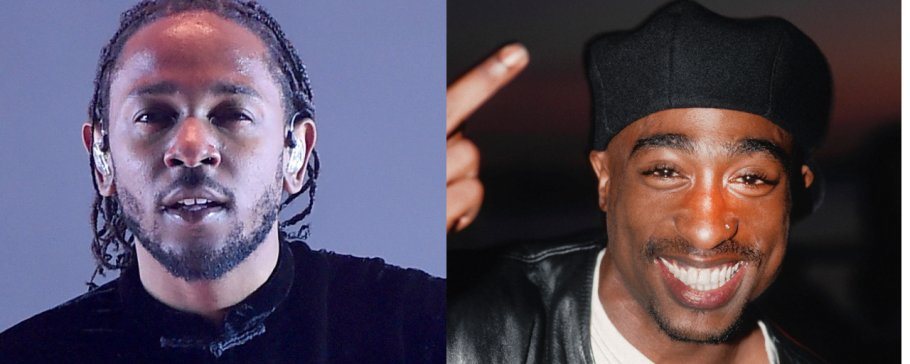
Tupac Shakur once said in a 1992 interview, reflecting on wealth and responsibility: “If I know I got $3,000 in my pocket I feel like it’s wrong to give that person a quarter, or a dollar, it’s wrong.” He wasn’t performing empathy for cameras. He was articulating a visceral inability to walk past suffering while hoarding resources—an unfiltered stance against the very greed he saw destroying communities. That raw candor defined Pac.
In contrast, Kendrick Lamar’s public persona feels engineered: polished interviews, music-timed drops, and high-profile gestures that fade once the spotlight shifts. Fans on the West Coast, hungry for a new voice carrying Tupac’s torch, have been sold a successor who looks the part but operates on a fundamentally different frequency. Tupac’s activism wasn’t confined to lyrics.
His 1994 BET interview with Ed Gordon remains a masterclass in unapologetic visibility. He spoke openly about living in a “war zone,” self-defense against police and threats, the hypocrisy of media portrayals of Black men with guns, and his role as someone doing “God’s work” in the hood while others prayed over presidents.
There were no safe pre-approved questions. Pac vented anger, vulnerability, and conviction in real time. He didn’t wait for the next album cycle to address what upset him—he addressed it constantly, in speeches, rallies, and street-level organizing like the Thug Life code aimed at curbing intra-community violence and protecting the vulnerable. Kendrick’s engagement feels more calculated. His breakthrough protest anthem “Alright” undeniably fueled Black Lives Matter chants and discourse around police brutality.
Yet outside the music, Kendrick rarely lets the public see raw, unscripted feelings. Interviews are typically promotional—tied to album rollouts, with questions he’s clearly prepared for. Social issues surface powerfully in tracks but often go unaddressed publicly between projects. Once the album drops, streams surge, awards follow, and he largely disappears until the next release. This pattern creates the impression of activism as a creative tool rather than a consistent lifestyle. The contrast sharpens when examining how each handles success and community.
Tupac’s giving was personal and immediate—funding educations, covering bills for families, and planning to redirect police brutality settlement money toward a boys’ home and anti-brutality center. His criticism of wealth hoarding wasn’t abstract; it came with visible discomfort at inequality. Kendrick has made substantial donations, including a $200,000 contribution (with pgLang and partners) to LA charities following his 2024 Juneteenth “Pop Out” concert, plus ongoing support for Compton schools and local initiatives. These are positive actions.
However, they often arrive bundled with major events or album-adjacent moments, raising questions about performativity. Reports around his GNX album highlighted choices offered to up-and-coming LA artists: a flat $10,000 upfront or potential royalties/points (with most reportedly taking the cash). Shortly after, Kendrick reportedly closed on a roughly $40-42 million Brentwood compound—a sprawling modern estate far beyond basic needs.
To critics, this sequence echoes the exact disconnect Tupac called out: profiting from the culture and community while making calculated business decisions that prioritize the bottom line, then retreating into luxury. Pac lived (and died) entangled with the streets he rapped about. Kendrick elevates West Coast talent and Compton roots strategically but maintains distance—rarely venting unfiltered frustrations or sustaining public dialogue on ongoing issues outside music cycles.This bait-and-switch matters for West Coast fans. Tupac didn’t just represent the region; he embodied its pain, rage, and resilience in real time, flaws and all. His visibility made him a target but also made his convictions undeniable.
Kendrick’s polished ascent—Pulitzer, massive streams, unity spectacles—has positioned him as the heir apparent. Yet the substance diverges. Where Pac forced uncomfortable conversations in living rooms and streets, Kendrick delivers them primarily through headphones. Where Pac’s empathy felt immediate and sacrificial, Kendrick’s appears strategic and episodic. Fans drawn to Kendrick for carrying Tupac’s flame should examine the evidence closely. Pac’s legacy wasn’t built on perfectly timed drops or high-production unity events alone. It was forged in unscripted moments, direct confrontation with power and inequality, and a willingness to stay visibly messy in the fight.
Kendrick has delivered cultural moments and financial gestures that matter. But the gap in transparency, consistency, and raw presence suggests he is channeling Pac’s aesthetic and themes more than his authentic activist spirit. The West Coast deserves voices that don’t just visit the issues when convenient. Pac stayed in the arena. Until Kendrick matches that sustained, unfiltered engagement—outside the safety of music and pre-vetted interviews—the comparison remains aspirational rather than earned. Fans owe it to themselves, and to Pac’s memory, to demand more than the performance.
Originally posted on X: x.com/DopeboyDiesel/status/2078357343595630604
Prosperity Ent newsletter
Join the Prosperity Ent list
New articles, fresh videos and live-stream alerts, straight to your inbox. No spam, just smoke-free signal.
You're on the list. Welcome to the room. 🌿

Comments
Log in to join the conversation.